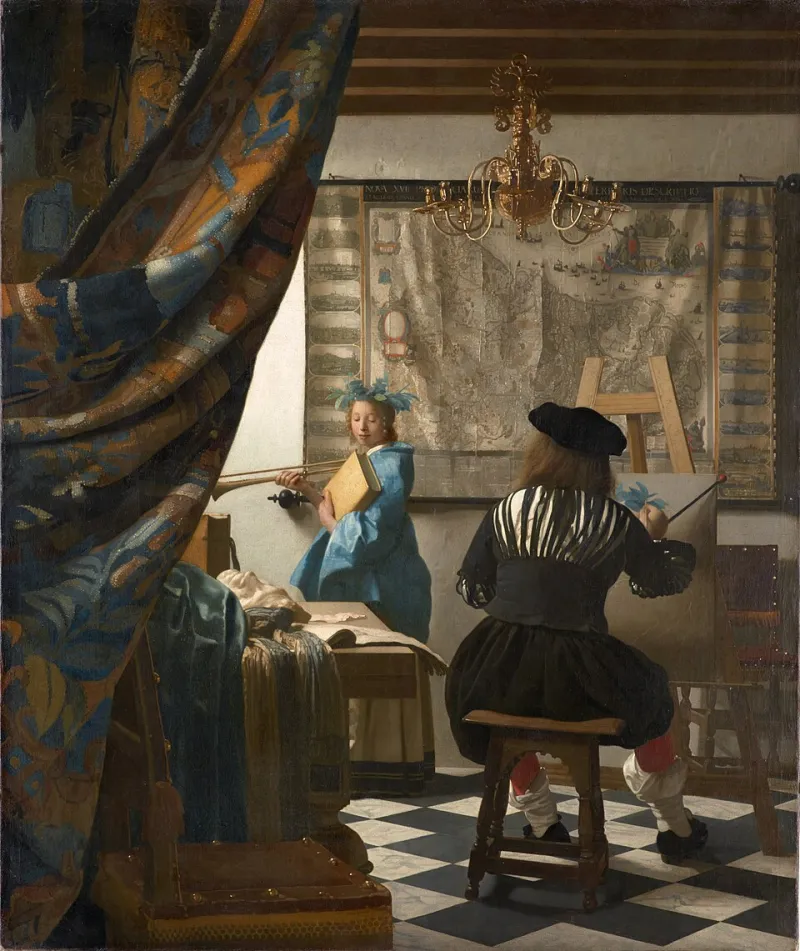
The Check Comes, the Painting Stays: Inside the Restaurant Art Deal Nobody Explains
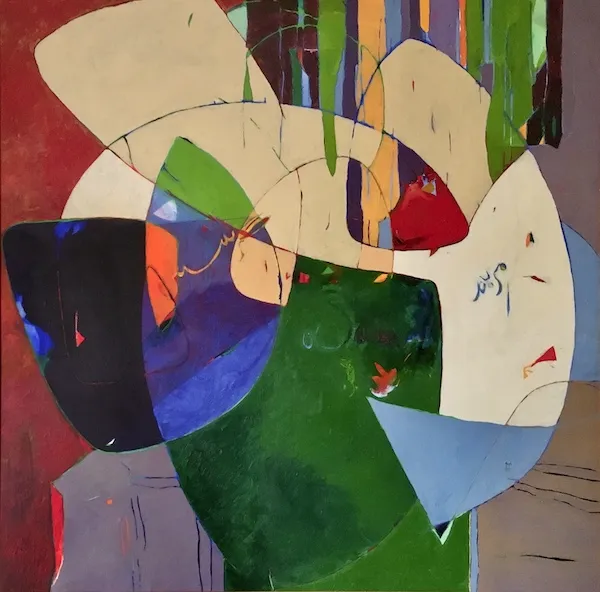
Photo: Wardiverde, CC BY-SA 4.0, via Wikimedia Commons
The math is simple and a little rude: a painting hung above a banquette in a busy neighborhood restaurant in Columbus or Austin or Queens will pass in front of more faces in three weeks than it would during a month-long run at a small gallery two blocks away. Everyone in the art world knows this. Almost nobody writes it down.
So the work goes up. The chef gets a local-press mention for the dining room's "curated feel." The artist gets a line on a CV and a text from a friend who saw it. And somewhere between the host stand and the walk-in, a question sits unanswered: who actually gets paid when dinner comes with a painting?
Three Deals, One Handshake
Most restaurant art hangs under one of three arrangements, and they're wildly different animals.
Outright sale. The restaurant buys the work. The artist is paid, the transaction closes, and the painting becomes décor with a provenance. Rarer than you'd expect at the small-restaurant end, more common in hotel dining and restaurant groups with design budgets and a brand to protect.
Consignment. The work stays the artist's property. The restaurant displays it, and if a guest asks the right question and a sale happens, the money splits. Fifty-fifty is the common default; sixty-forty in the artist's favor shows up when the artist handles framing, delivery, and the actual selling. If a gallery is involved, its standard commission typically rides along.
Loan. By far the most common, and the least discussed. No money changes hands. The restaurant gets a finished wall; the artist gets traffic. That's the whole deal — except it isn't, because a loan without paperwork is just an uninsured object in a room full of hot oil, sharp chair backs, and a nightly mopping crew.
The Insurance Gap Is the Whole Story
Here's where it gets concrete. A restaurant's commercial general liability policy covers slips and spoiled food. It does not, generally, cover a canvas. Fine art needs scheduled coverage, a rider, or a bailee's endorsement when someone else's property is in your care.
Meanwhile, the artist's renters or homeowners policy tends to exclude business property away from home. The gap between those two documents is where damage quietly becomes nobody's problem. The tell is a certificate of insurance: serious restaurant programs ask for one before the work goes up. Most informal arrangements never get that far.
Heat, Grease, and the Window That Sells the Room
Conservators who work on restaurant pieces will list the usual suspects in the same order every time. A west-facing wall of glass that makes the room look incredible at 7 p.m. also delivers hours of ultraviolet light. An open kitchen delivers airborne lipids that settle into varnish and canvas weave. Daily wipe-downs with a degreaser near a framed piece on paper are a slow-motion disaster.
None of this means the work shouldn't be there. It means the piece nearest the pass should probably be a print, a panel, or something intentionally expendable — and that a condition report and dated photographs at install are worth the ten minutes they take.
The Consultant in the Middle
A growing number of restaurant groups hire someone to run the walls, and that person is doing real curatorial work on a schedule nobody reviews. A program typically means a rotation calendar, small wall labels or cards at the host stand, a price list the front-of-house staff actually understands, and a commission structure — flat program fee, monthly retainer, or a percentage of sales.
The best of these function like a gallery with worse lighting and better foot traffic. Openings happen on a Tuesday. The bartender knows the artist's name. The QR code on the card resolves to something other than a broken link.
What Exposure Is Actually Worth
Sometimes a great deal. Restaurant walls sell work to people who would never set foot in a white-cube space on a Saturday — the anniversary dinner, the business meeting that ends with a question about the piece near the door. Those sales are real and they compound.
But exposure is only worth something if someone is minding the sale. A restaurant show isn't a gallery show: no press list, no collector database, no follow-up. When nobody owns the sales conversation, the wall becomes a very expensive mood board.
The Clause Nobody Reads
If a piece is going up, a short written agreement is worth more than any amount of goodwill. Cover title and insurance, installation method and who's liable for the anchor, a condition report, a removal clause, how a sale is handled, and reproduction rights — menus, social posts, and cookbooks all count. And yes, sales tax: a restaurant selling a painting is a retail transaction in most states, and someone has to remit it.
The good programs treat the dining room as a venue with real obligations. Ask the next time you're early for a reservation and the painting is holding the room together. The answer tells you more about the restaurant than the wine list does.