Rolling Before the Paint Dries: Why More American Artists Are Pointing the Camera at Themselves
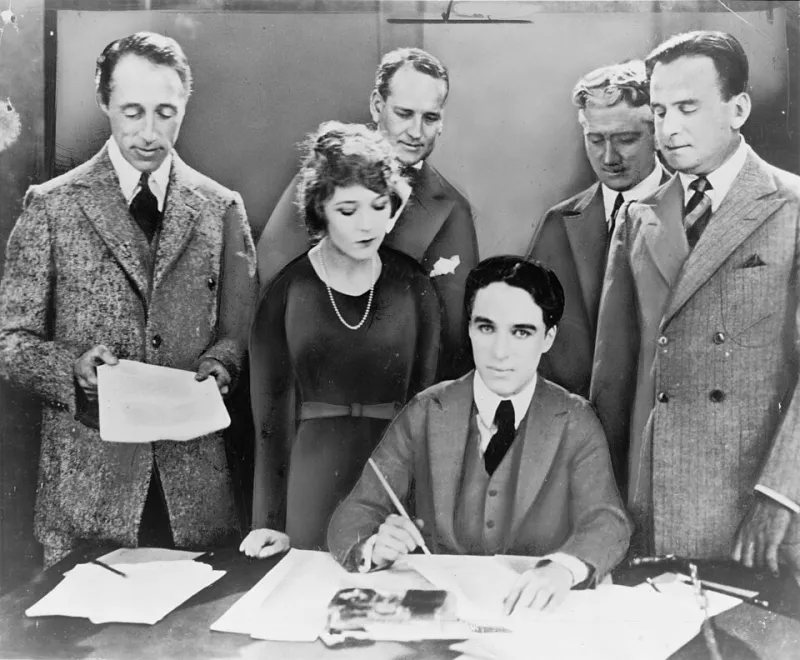
Photo: New York World-Telegram and the Sun Newspaper Photograph Collection staff photographer, Public domain, via Wikimedia Commons
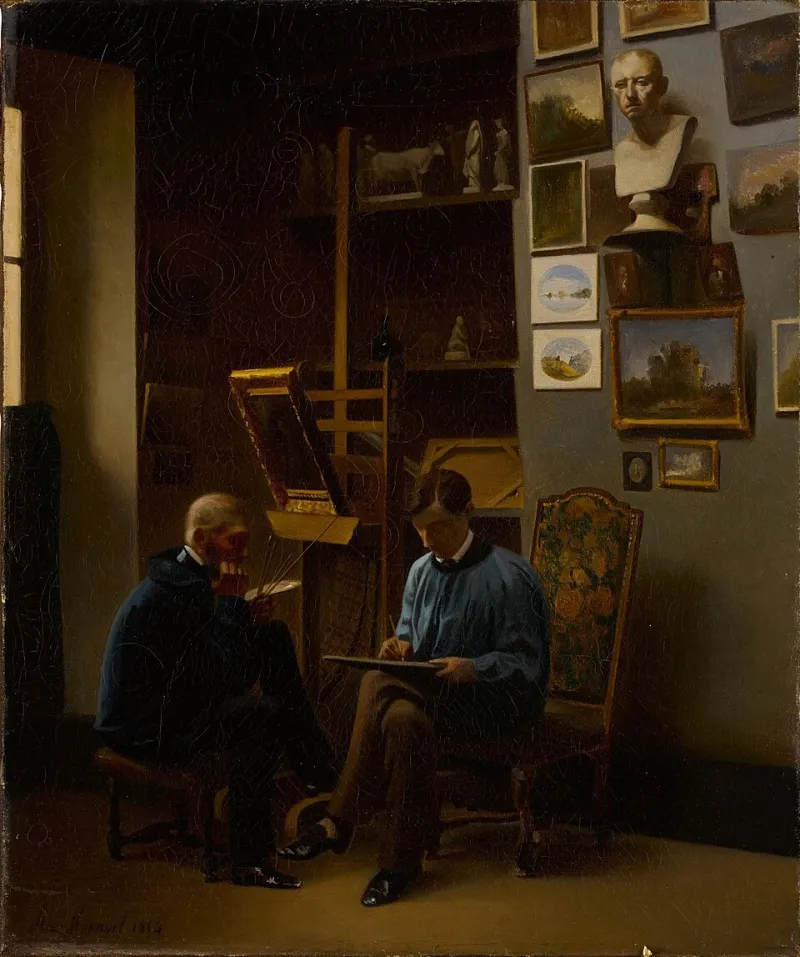
There's a particular kind of quiet in a painter's studio that used to stay private. The failed starts, the coffee rings on the palette, the forty minutes of staring. For most of art history, none of that reached the public. You saw the finished canvas, maybe a critic's take, and that was the whole story.
Not anymore. Scroll through Instagram or YouTube today and you'll find painters in Ohio, New Mexico, and rural Vermont narrating their own practice — time-lapses of a canvas evolving, casual studio vlogs, unhurried clips of a brush dragging through ochre. Some of these artists have audiences that would make a mid-size gallery blush. And crucially, they got there without a single review, profile, or museum nod.
The Process Became the Product
What changed? In part, it's the platform economics. A process video costs almost nothing to make — a phone on a tripod, a decent ring light — and it travels. People who would never set foot in a Chelsea gallery will happily watch a two-minute clip of resin being poured. The studio, once the most guarded room in an artist's life, has become the content.
For many painters, the math is simple. Patronage platforms like Patreon let a few hundred dedicated supporters replace the income that used to require gallery representation. One ceramicist outside Portland puts it bluntly: her monthly patrons pay her more reliably than any exhibition ever did, and they've never once asked her to make something 'more commercial.'
What Gets Lost When the Artist Tells the Story
Here's where it gets interesting — and a little uncomfortable. Art criticism, whatever its flaws, existed to provide distance. A critic didn't care if you were having a good month. A gallerist shaped your narrative whether you liked it or not. That friction, for all its messiness, produced a certain honesty. The artist's own account, by contrast, is curated by definition. You will rarely see the three paintings scrapped before the one that worked.
There's also the mystique question. Part of what made certain artists compelling was the opacity — the sense that something was happening behind a door you couldn't open. When every stage of the process is documented and monetized, some of that charge evaporates. The work can start to feel like the tip of a content strategy rather than the point of one.
And yet. The counterargument is just as strong. For decades, gatekeepers decided which artists got a story at all, and the gatekeeping was never neutral. Painters outside major markets — in Albuquerque, in Appalachia, in the flatlands of Kansas — spent their whole careers waiting to be discovered by someone with a platform. Now they can simply be seen. That's not a small correction. It might be the most democratic shift in American art since the rise of the co-op gallery.
The New Collector Arrives Through the Screen
Talk to artists doing this well and a pattern emerges: their collectors are fans first. Someone watches a year of studio videos, develops a genuine attachment to the work and the person making it, and then buys a piece — often the first original artwork they've ever owned. There's no booth, no champagne, no ninety-second read from a dealer. Just a person who already knows exactly why the painting matters.
Galleries are noticing. Some are openly annoyed; others are quietly adapting, asking their artists to film studio content as part of the representation deal. A few forward-thinking dealers treat it as a scouting tool — if an artist has built a real audience on their own, that's proof of demand no CV can match.
Whose Story Is It Now?
The old answer was: whoever had the institutional weight to tell it. The new answer, increasingly, is the artist — for better and worse. Self-documentation hands painters control over their narrative, their pricing, and their income. It also hands them the job of being constantly, consumably interesting.
The artists navigating this best seem to treat the camera the way they treat the brush: as a tool they pick up and put down. The videos aren't the practice. The practice is the practice. The rest is just letting people in — on their own terms, at their own pace, with the door finally under their own control.
For collectors and curious viewers alike, that's worth showing up for. Just remember: you're seeing the studio as it's chosen to be seen. The finished painting still has to do the talking.