Sanctuary, Vault, Slumber: The Unlikely Buildings Where American Art Is Made Now
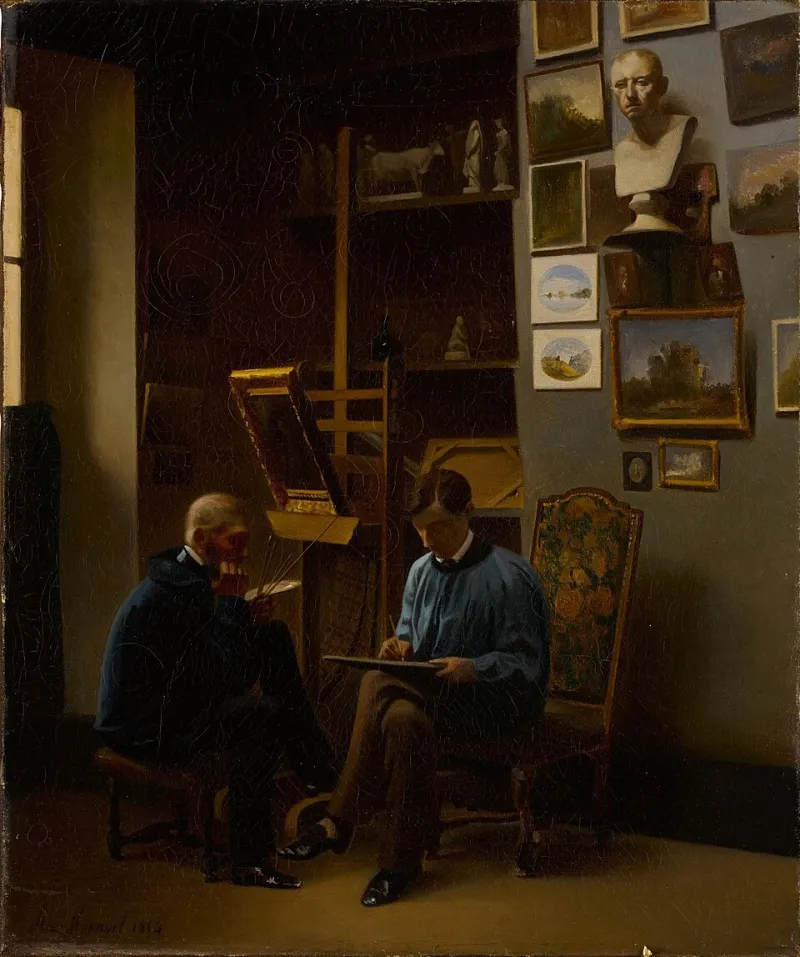
Photo: Auguste Monvel (Auguste or Augustin Boutet de Monvel (1813-1896), French painter and photographer active in Orléans, Public domain, via Wikimedia Commons
The best studio visit in America right now might require you to duck under a choir loft. Or step over a floor safe nobody's been able to open since 1987. Or, in at least one case we know of, sign a waiver acknowledging that yes, this used to be a funeral home, and yes, some people find that weird.
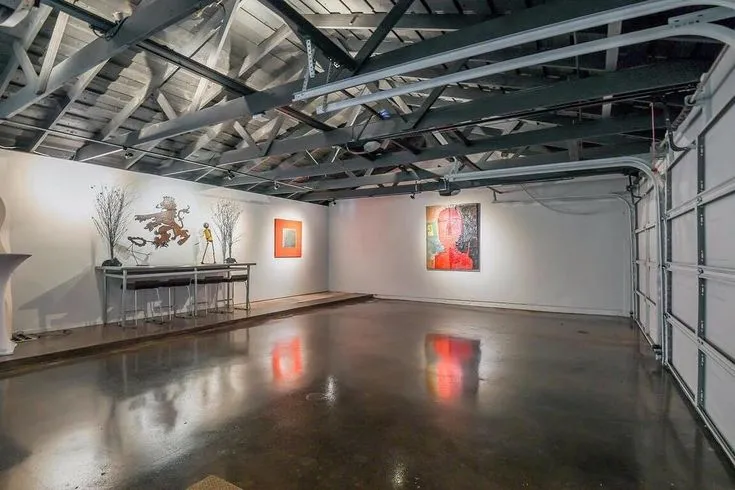
Across the country, artists are moving into buildings that were never meant for them — former churches, shuttered bank branches, empty funeral parlors — and the work coming out of those spaces looks different because of it. Not just bigger, though it is often that. Different in temperament, in scale, in the way it handles light and silence.
Why Now
The economics are straightforward enough. Commercial rents in cities like Detroit, New Orleans, and Buffalo remain low enough that a 4,000-square-foot former parish hall costs less per month than a modest warehouse corner in Chicago. Civic buildings — churches especially — sit empty in post-industrial neighborhoods, and dioceses and banks want them off the books. Artists, historically excellent at seeing value where others see liability, have been quietly signing leases.
But the story isn't only about cheap square footage. Talk to the artists inside these buildings and a pattern emerges: the space changes the work, and the work starts to justify the space.
The Church That Became a Painting Problem
Detroit's east side is dotted with deconsecrated churches, and painter Marcus Ellery took over one of them three years ago — a 1920s brick structure with forty-foot ceilings and a rose window that throws colored light across the nave every afternoon.
"I fought it for a year," he says. "I tried to make small, controlled paintings like I'd always made. The building wouldn't have it. You paint a four-foot canvas in a room that size and it looks like a postage stamp."
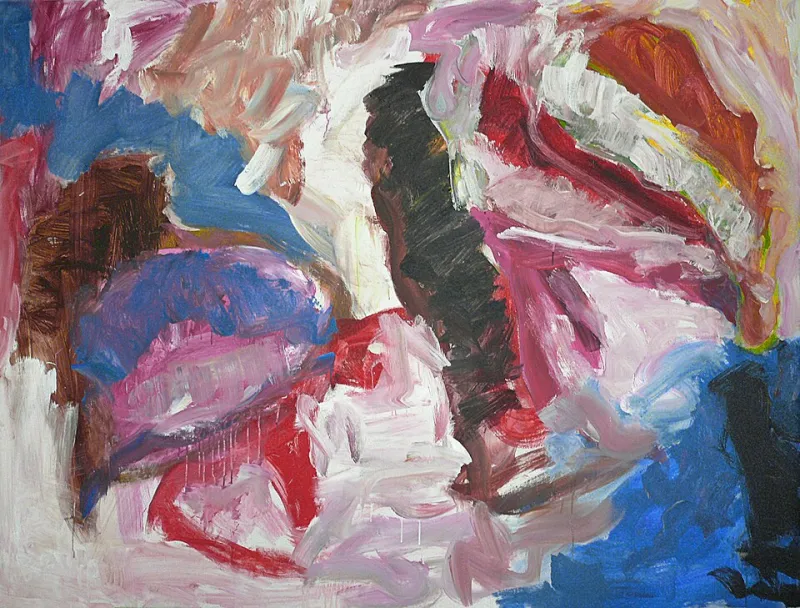
Ellery now works on canvases that require scaffolding, and the rose window has become an unofficial collaborator. "The light moves through the room for six hours a day. I started painting toward it — compositions that only resolve when the light hits them. I don't know if I'd ever found that in a storefront studio."
The audiences changed too. Ellery hosts open studios twice a year, and the neighborhood treats them less like gallery nights and more like block events. People who have never set foot in a commercial gallery walk into a building they grew up attending services in, and stay for two hours.
The Bank Vault That Holds Paint, Not Money
In New Orleans, ceramicist Dena Whitfield's studio occupies the ground floor of a former branch bank in the Seventh Ward. The vault is still there. She uses it to store glazes.
"The acoustics are the thing," she says. "Marble floors, twelve-foot ceilings — everything echoes. I became obsessed with sound in the work. My surfaces got quieter. More matte. I think the room taught me restraint."
Whitfield also notes something subtler: the building imposes a formality on visitors. "People walk in and lower their voices. They behave the way you behave in a bank, or a cathedral — carefully. It changes how they look at the pots."
The Funeral Home Nobody Wanted
Buffalo painter and video artist Sam Okafor's studio is the former viewing parlor of a funeral home on the city's Lower West Side. The building spent a decade vacant before Okafor, priced out of a downtown loft, took it on.
"Everyone asks about the energy," Okafor laughs. "Honestly? It's the calmest room I've ever worked in. These buildings were designed to make people slow down and be present. That's not a bad room to make art in."
Okafor's work — long, meditative video pieces — has grown in duration since the move, from ten-minute loops to pieces that run forty minutes and beyond. "I can't prove the building did that," Okafor says. "But I also can't prove it didn't."
What Collectors Should Notice
For anyone tracking emerging talent, these adaptive-reuse studios are worth watching for practical reasons. They cluster in affordable neighborhoods — Detroit's Grandmont-Rosedale corridor, Buffalo's Niagara Street stretch, pockets of New Orleans' Ninth Ward — where rents allow artists to stay put long enough to develop serious bodies of work.
They also produce work with unusual physical ambitions. High ceilings and vast floor plates encourage scale, and scale is exactly what mid-career institutional shows and serious collectors look for. An artist who spent three years solving the problem of a forty-foot wall has skills an artist in a 200-square-foot cubicle simply hasn't been forced to develop.
There's a civic dividend, too. In each of these cities, the artist-occupied buildings have become de facto anchors — open studios draw foot traffic, and foot traffic draws coffee shops, and coffee shops draw everyone else. The churches, banks, and funeral homes that sat empty for a decade are suddenly the most-visited buildings on their blocks.
The Light Bill, Still
None of this is romantic when the heating bill arrives. Cathedral ceilings are beautiful and brutally expensive to warm in a Michigan January. Insurance on a former commercial building is its own labyrinth. Several artists we spoke with mentioned the light bill before they mentioned the light — the rose window is free, but everything else is not.
Still, the trend shows no sign of slowing. Every American city has more empty civic architecture than it knows what to do with, and every year's MFA class produces more artists who need exactly that much room. Sooner or later, the two find each other. And when they do, the work that comes out tends to carry something of the building with it — a little gravity, a little echo, a little colored light at four in the afternoon.