Meatballs Before Markets: The Dinner-Table Critics Quietly Steering American Art

Photo: !湖子 (@kolshicako) after Brian Smith, CC BY-SA 3.0, via Wikimedia Commons
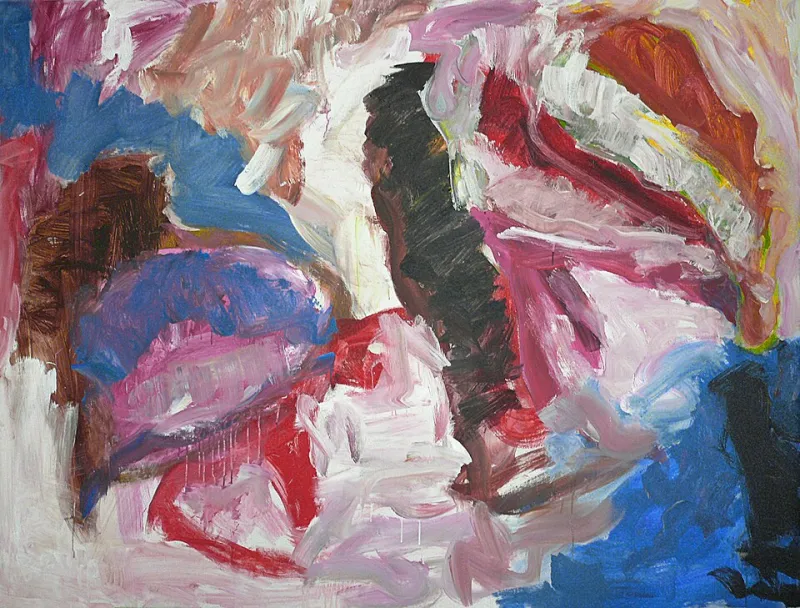
The painting leans against the sideboard, still tacky in places. The host, a landscape painter named Ruth, brings out a lasagna and a bottle of Côtes du Rhône, and for the next two hours, six people who are neither critics nor gallerists will tell her exactly what they think of it.
Nobody at this table in the Cleveland suburbs works in the art industry. One is a retired pediatrician who collects drawings. Two are fellow painters. Another teaches high school ceramics. And that, according to the people who run gatherings like this one, is precisely the point.
The Critique That Doesn't Come With a Business Card
Formal criticism has a rhythm everyone knows: the press release, the preview, the review that lands days or weeks later. What happens over dinner in American kitchens and basements follows no such protocol. Work gets seen in progress, sometimes half-finished, sometimes half-failed. Feedback is immediate, blunt, and — because nobody's angling for a studio visit or a discount — startlingly honest.
"I brought a piece to my gallery that I'd already shown at our supper club," says a painter in Chicago who asked that her circle stay unnamed. "Three people at the table told me the bottom third wasn't working. They were right. The gallery never would've said anything. Gallerists are polite. Your friends with the casserole are not."
These circles aren't new — artists have traded dinner for feedback since, well, forever. What's changed is who's showing up. Collectors, priced out of blue-chip fairs and wary of gallery small talk, are hosting and attending in growing numbers, turning kitchen-table critique into something between a salon and a focus group.
Potluck as Pipeline
Talk to enough hosts and a pattern emerges: these dinners do real economic work. A textile artist in Asheville credits a monthly potluck with landing her first three sales. A collector in Portland says he bought a piece two weeks after hearing the artist defend it over chili — a defense, he notes, that no booth talk at a fair could match.
"You learn things at the table you can't learn on the wall," he says. "Why she made it. What she almost didn't show. By the time I asked about price, I already knew the painting."
Artists, for their part, describe the dinners as a low-stakes laboratory. Work that flops at the table never reaches a dealer, saving everyone an awkward conversation. Work that lands gets refined — and arrives at the gallery already battle-tested by the most unforgiving audience there is: people who love you and owe you nothing.
Rules of the Table
The circles that last tend to share a few ground rules, learned the hard way:
- No phones out for photos. Work in progress stays at the table.
- Everyone shows something. Even the collectors, who are encouraged to bring pieces they're unsure about buying.
- Criticism comes with a reason. "I don't like it" earns you the brussels sprouts; "the color feels like it's fighting the drawing" starts a conversation.
- No deals at dinner. Sales happen later, privately, if at all.
That last rule matters most. Several hosts insist the gatherings die the moment they turn transactional. The value is candor, and candor evaporates the second someone's calculating a discount.
What the Galleries Are Starting to Notice
Some dealers have caught on. A handful of newer galleries in Philadelphia, Detroit, and Albuquerque now host their own versions — small dinners where collectors and artists mix without a sales agenda, at least ostensibly. Whether that's a genuine trend or just good relationship-building with better catering is debatable.
But the artists who belong to the independent circles are skeptical of being hosted. "If the gallery buys the wine, I'm performing," one says. "At Ruth's table, I'm just wrong about the bottom third of my painting, and that's the most useful thing that happened to me all month."
The critics will weigh in eventually. The market will assign a number soon after. But in dining rooms across the country — Cleveland, Asheville, a card table in Queens — the first and most honest review of American art is already in, and it came with dinner.