Sketchbooks and Stock Portfolios: Why Collectors Are Taking Drawing Classes Before They Buy
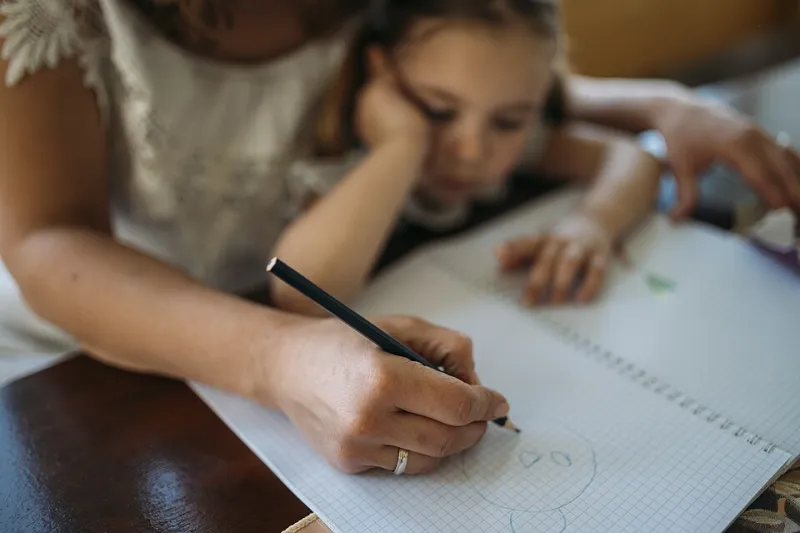
Photo: Nenad Stojkovic, CC BY 2.0, via Wikimedia Commons
Walk into a Tuesday-night figure drawing session in a Los Angeles community art center and you might spot something unexpected: a woman sketching the model's contrapposto who, an hour earlier, was emailing her art advisor about an abstract painting that costs more than a car.
She's not alone. Across the country, collectors — from first-time buyers to established names — are enrolling in drawing classes, painting workshops, and online ateliers in growing numbers. Their reasoning is refreshingly practical: if you're going to spend serious money on art, maybe you should understand what goes into making it.
From Passive Buyer to Active Student
The trend cuts against everything the art market traditionally celebrated. Collecting was framed as connoisseurship — a refined eye developed through looking, not doing. But a growing number of buyers have concluded that looking only gets you so far.
"You can't understand a Cézanne until you've tried to render an apple," one Denver-based collector told us, laughing about her first disastrous still life. "After that class, I walked through the museum like a different person. I could see the decisions. Every brushstroke stopped being magic and started being a choice — which made the great ones even more impressive."
That shift — from seeing art as magic to seeing it as decisions — is exactly what teachers are noticing.
What's Actually Happening in These Classes
The adult art education boom has several distinct flavors:
- Community figure workshops. Cheap, unpretentious, and demanding. Nothing teaches you to see like three hours with a live model and a stick of charcoal.
- Online ateliers. Structured, classical training delivered remotely — perfect for collectors in cities without robust studio programs.
- Museum-adjacent classes. Institutions have caught on, offering drawing-in-the-galleries sessions that double as the best membership perk going.
- Weekend intensives. Short, immersive workshops that fit a professional's calendar and deliver a concentrated dose of hands-on practice.
Teachers report a distinctive student profile: adults in their forties through sixties, often professionally successful, frequently buyers or aspiring buyers of contemporary art. They're not there to quit their day jobs. They're there to sharpen something.
Gallerists Are Paying Attention
Dealers have noticed a pattern in clients who make art. These buyers ask different questions. Instead of only "who is this artist?" and "what did a comparable sell for?" they ask about process — how the work was built, why the composition holds, where the difficulty lives.
"My collector clients who draw are the easiest conversations I have," one gallerist says. "They look at a painting for a long time before they ask the price. They understand what they're looking at, so when they buy, they really buy. They're also less susceptible to hype — you can't fool someone who knows how hard it is to draw a hand."
That last point matters more than it sounds. The art market runs on confidence gaps. Buyers who feel uncertain defer to price signals and prestige. Buyers who've spent years wrestling with their own practice develop an internal compass — and it points at quality, not trend lines.
Taste Gets Braver, Too
Here's the counterintuitive part: making art doesn't just make collectors more skeptical — it makes them more adventurous. Hands-on practice tends to breed appreciation for works that don't photograph well, that reveal themselves slowly, that reward the kind of sustained looking only a maker knows how to do.
Several teachers described students whose collections shifted noticeably after a year of classes — away from the polished, Instagram-friendly pieces toward work with more friction, more evidence of the hand.
"Once you've felt how hard it is to make anything good," one instructor put it, "you stop being impressed by the same things. And you start being impressed by things you never noticed before."
Trying It Yourself
If you're curious, the barrier to entry is almost comically low:
- Find a local figure drawing session — most welcome drop-ins and cost less than a nice dinner.
- Buy the cheap materials. A newsprint pad and a box of charcoal will teach you more than a $400 starter kit.
- Expect to be bad. Genuinely bad. The humility is the point.
- Give it six months before you judge the effect on your eye.
No one's suggesting that a semester of drawing classes turns anyone into a curator. But the collectors we spoke to describe the experience the same way: as the moment art stopped being a market and started being a practice again. And in a marketplace that runs on noise, a quiet sketchbook might be the best due diligence there is.