Your Dentist Owns More Original Art Than You
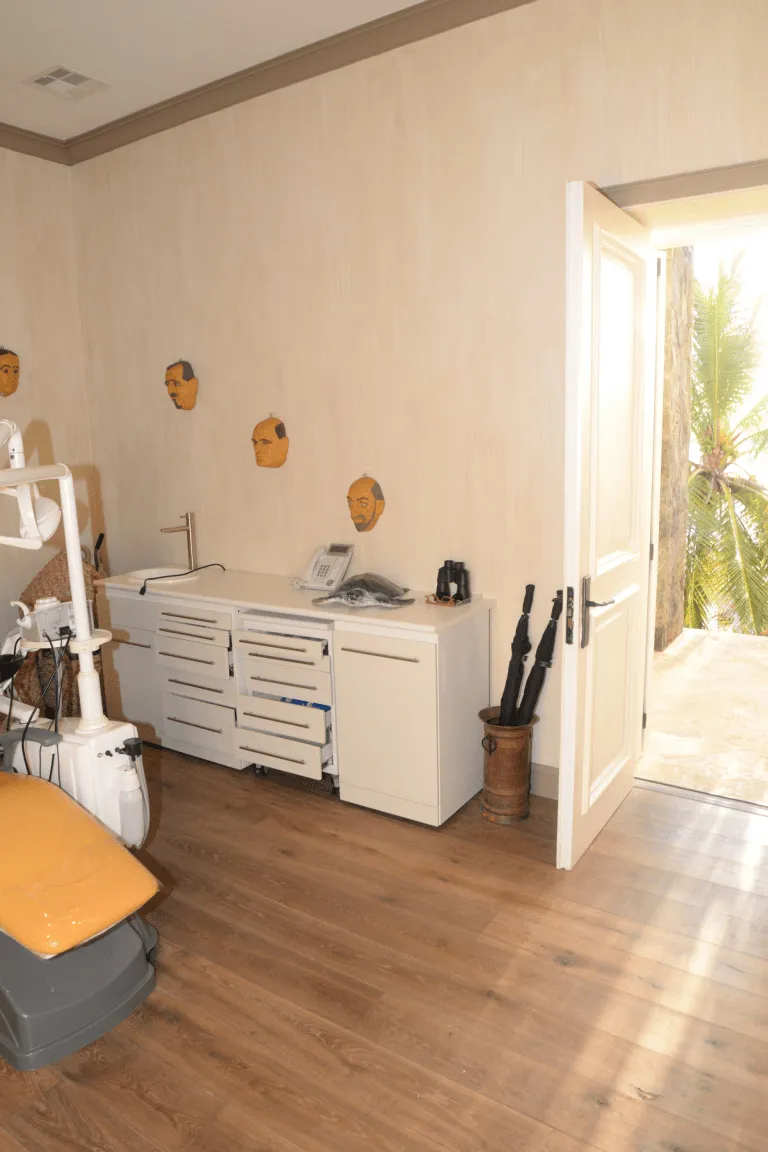
Photo: Federal Bureau of Investigation, Public domain, via Wikimedia Commons
There's a decent chance the largest single buyer of a working artist's output this year won't be a collector with a Chelsea address or a museum acquisitions committee. It might be a dental practice in suburban Ohio.
Walk into enough medical offices and you'll notice it: original paintings, actual canvases, hung with intention. Not prints of sailboats. Not motivational posters. Work that someone made, and someone else paid for. The market that put it there is one of the least discussed corners of the American art economy — and one of the steadiest.
The Consultants You've Never Heard Of
Scattered across the country is a small industry of art consultants and healthcare curators who do nothing but fill clinical spaces with original work. Firms like these — many of them run by one or two people from a home office — maintain rosters of artists, pitch practice owners, and install pieces by the hundreds each year.
The logic is commercial, not charitable. Studies on patient stress have given consultants a pitch that writes itself: a calming, visually interesting environment reduces anxiety, and anxious patients keep appointments. A practice manager we spoke with in Raleigh put it bluntly. "We budget for art the way we budget for the waiting room chairs. It's part of the build-out. Nobody sits in a bare room and feels good about their root canal."
Her practice spent roughly $14,000 on original work during its renovation — a sum that would barely register at a blue-chip gallery but represents a meaningful chunk of an emerging artist's annual sales.
A Market That Never Really Crashes
Here's what makes the healthcare segment unusual: demand doesn't track the auction calendar. New practices open, old ones renovate, and dental groups keep expanding regardless of what the broader art market is doing. When the pandemic hit, elective spending froze everywhere — but offices also repainted, reconfigured, and rehung. Consultants report that inquiries actually ticked up as practices scrambled to make sparse, socially distanced waiting rooms feel less grim.
For artists, the appeal is volume and reliability. A single consultant relationship can result in a dozen sales a year, often of mid-sized works priced accessibly. One painter in Minneapolis told us her pediatric dentistry clients have collectively bought more pieces than any individual collector she's had. "They know exactly what they want — something bright, something kids can look at. They never negotiate. They pay on time. It's the easiest money in my career."
What Actually Gets Hung
Not everything qualifies. Consultants describe a fairly strict brief: nothing overtly medical, nothing dark or confrontational, nothing with small busy details that read as clutter from across a room. Landscapes, abstraction, and color-forward work dominate. Scaling matters — hallways want long horizontal pieces, exam rooms want calmer, quieter images.
That sounds limiting, and it is. But plenty of artists have built serious careers inside those constraints, and the exposure is its own strange dividend. A painting in a pediatrician's office gets looked at by thousands of people a year — many of them sitting still, bored, with nothing to do but stare. That's more sustained viewing than most gallery shows ever get.
The Critique, and the Case For It
Purists will roll their eyes. This is decoration, they'll say, art reduced to interior design, chosen for its ability to soothe rather than provoke. And there's truth in that. Waiting room art is selected to be agreeable, not challenging.
But spend an afternoon with the artists on these rosters and the picture gets more complicated. The healthcare market pays real invoices. It lets painters quit day jobs, buy time in the studio, and keep making the riskier work that galleries want. Several artists we spoke with described their clinical sales as the financial ballast that made their exhibition career possible. The dentist buying a cheerful abstract for the hygiene room is, indirectly, underwriting the tough, ambitious piece that ends up in a biennial.
There's also something quietly democratic about it. Most Americans will never set foot in a commercial gallery. They will, however, get a cleaning twice a year. Original art hanging in that room — unlabeled, unexplained, encountered on its own terms — might be the closest thing to a public gallery system the country actually has.
Follow the Frames
So the next time you're stuck under fluorescent lights waiting for a hygienist to call your name, look up. Someone painted that. Someone chose it, bought it, hung it, and got paid. It's one of the art world's least glamorous transactions — and one of the reasons a whole tier of American artists is still standing.
If you want to find this market yourself, it isn't hidden. Art consultancy is a searchable trade, artists list healthcare placements on their CVs, and practice managers talk openly about their art budgets. The waiting room wall has been a gallery all along. It was just never on the guest list.