Scroll, Spot, Sell: The Facebook Groups Quietly Discovering America's Next Big Artists
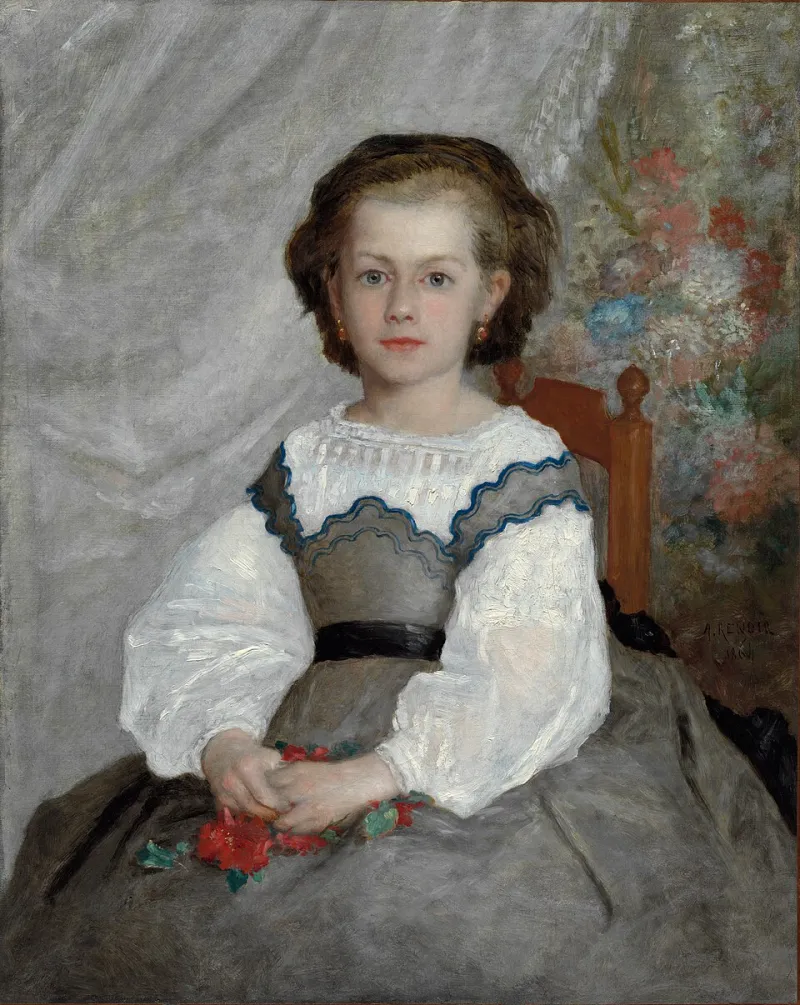
Photo: Pierre-Auguste Renoir, Public domain, via Wikimedia Commons
The most consequential art critique in America right now might be happening between a casserole post and a lost-dog alert.
In regional Facebook groups with names like "Cincinnati Art Buy/Sell/Trade" or "Southwest Emerging Artists Community," collectors are doing something the traditional art world keeps insisting is impossible: discovering talent without a fair booth, a press release, or a single glass of prosecco. And lately, the dealers have noticed.
Where the Feed Meets the Canvas
Dana Whitfield runs a 42,000-member group focused on artists working within a five-state radius of the Carolinas. She moderates it from her kitchen table in Asheville, usually after her kids go to bed. Her rules are simple: post the work, name the price, no snark about technique, no gatekeeping about credentials.
"Half our members have never set foot in a gallery," she told me over the phone. "The other half own galleries. Neither group wants to admit the other one exists."
That tension is exactly what makes these groups interesting. A painter in Winston-Salem can post a $300 canvas at 9 p.m. and wake up to eleven comments, two DMs, and a request from a Raleigh interior designer who wants the artist's entire inventory for a model home. No jury, no application fee, no waiting period.
The Viral Post That Changed Everything
Every group has its origin story, and Whitfield's involves a landscape painter named Marcus Oyelaran, who posted a moody industrial river scene in 2022. A power member with 4,000 followers on Instagram screenshotted it. Within a week, Oyelaran had sold nine paintings. Within a year, he had representation in Atlanta and a waitlist.
"I never submitted to a gallery in my life," Oyelaran says. "The gallery found me. In a Facebook group. I still can't say that with a straight face."
It's not an outlier. Moderators across several regional groups describe a similar arc: one post catches fire, the artist sells out, and suddenly the comments section becomes a de facto waiting list. Prices tick upward in real time, sometimes doubling between the first sale and the fifth.
The Dealers Are Lurking
Here's the part the art fair circuit doesn't love to discuss: gallerists are in these groups, and everyone mostly knows it.
A Chicago-based dealer who asked not to be named admits to memberships in six regional groups. "It's the best scouting tool I've ever had," she says. "Art fairs show me what's already been vetted and marked up. These groups show me what's raw. I can watch an artist's pricing confidence develop over months of posts."
Collectors have noticed the lurkers, and some have developed tactics. Screenshot before you share, one veteran member advises, because once a dealer comments, the price you saw is not the price you'll pay.
A Different Kind of Connoisseurship
Skeptics in the institutional art world roll their eyes at the idea of Facebook as a discovery engine. But spend time in these groups and a coherent taste culture emerges—one that prizes local subject matter, honest pricing, and, crucially, accessibility.
Members debate composition with the same fervor as any biennial panel. They also ask questions galleries rarely invite: Will this fade? How do I ship a canvas from Tulsa? Is $450 fair for an artist's second-ever sale?
Reddit threads on r/ArtAdvice and r/ContemporaryArt serve as the groups' nerdy annex, where members crowdsource authenticity checks and argue about whether an artist's sudden price jump signals genuine momentum or savvy marketing.
What Happens Next
The friction point is coming. As more artists graduate from group posts to gallery representation, some longtime members feel priced out of artists they helped discover. Moderators like Whitfield are trying to keep the ecosystem intact—encouraging artists to offer smaller works or prints even as their originals climb.
"These people made my career before anyone with a business card cared," Oyelaran says. "I still post there first. Every time."
The gallery system spent decades telling us that discovery requires proximity—to New York, to money, to the right rooms. Forty thousand people in a Facebook group never bought it. They just kept scrolling, and kept buying, one kitchen-table post at a time.