Paint on Everything: Inside the Two-Person Studios Quietly Powering America's Art Boom
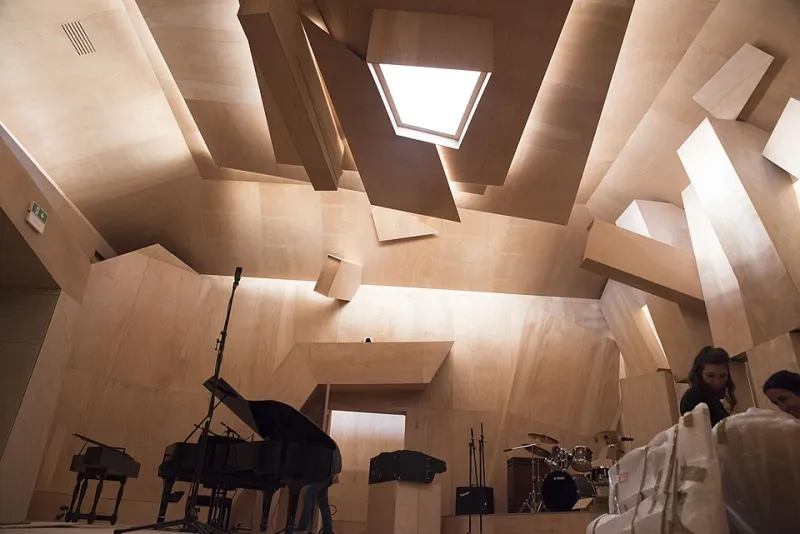
Photo: Giacomo Cosua, CC0, via Wikimedia Commons
The email went out on a Tuesday, the way these things usually do. Studio help needed — canvas prep, errands, general hustle. Must be reliable. Pay negotiable. Not glamorous. It was posted to a community board, half Craigslist, half word of mouth, and within a day the painter in Bushwick had eleven replies.
She hired one. And like thousands of artists across the country — in Marfa, in Detroit, in a converted garage in Portland — she joined a quiet labor force that most gallery-goers never think about: the studio assistant.
The Invisible Hand Behind the Brush
Here's the thing nobody puts on the wall label: a surprising amount of what you see at an art fair was touched by more than one person. Assistants stretch linen. They grind pigment and mix gesso. They build crates, photograph work, answer the emails that say "unfortunately the gallery cannot cover shipping at this time." They keep the whole fragile operation breathing so the artist can do the one thing only the artist can do.
This isn't new. Vermeer likely had help. Warhol's Factory turned assistance into performance art. Kiki Smith's long-running workshop model showed a generation of artists that a studio could function like a small atelier rather than a hermit's cave. What's new is the scale — and the informality. The resurgence isn't happening in glossy production facilities. It's happening in two-person operations, hired off community boards, paid in cash, checks, or a mix of money and mentoring.
What the Job Actually Looks Like
Ask assistants what they do and you'll get a surprisingly consistent list. Priming panels. Sanding. Stretching. Mixing the exact shade of blue the artist mixed yesterday, because the artist's shoulder gave out. One assistant in Chicago described her week as "forty percent fabricator, forty percent office manager, twenty percent therapist."
The pay varies wildly. Big-name artists with gallery backing might offer real wages, sometimes with health stipends. Emerging painters — the ones most likely to post on Craigslist — often offer $18 to $25 an hour, or a hybrid arrangement: hours plus unlimited access to the artist's brain. For art school graduates staring down student loans and a brutal job market, that second currency matters more than you'd think.
"I learned more in six months of stretching canvases for her than in two years of my MFA," one former assistant told me. "She'd talk through every decision while I primed. It was a masterclass I got paid for."
The Ethics Are Complicated. Of Course They Are.
Let's address the elephant in the studio: if a painting sells for $12,000 and someone else gessoed the canvas, who made the painting?
The art world has been fighting about this forever, and the honest answer is: it depends. Conceptual and fabrication-heavy practices have long accepted delegation. But in painting — where the myth of the solitary genius still has teeth — the rules get murkier. Assistants overwhelmingly insist they don't want credit for the work itself. What they do want, consistently, is fair pay, clear expectations, and to not be treated as free labor with a fancy title.
The trouble spots are predictable. "Exposure" as compensation. Vague hours that balloon into unpaid weekends before a gallery delivery. The unspoken promise of a career boost that never quite materializes. The artists who navigate this well tend to share a few habits: they pay promptly, they teach actively, and they're honest about what the job is — and isn't.
The Apprentice Economy
There's a reason the arrangement persists despite the friction, and it's not exploitation. It's that the apprenticeship model solves two problems at once. Artists get affordable help at the exact stage of their career when they can least afford it. Assistants — often would-be artists themselves — get the trade education that school charges sixty grand for.
Walk through enough studios and you start seeing the lineage everywhere. The painter showing at a Chelsea debut this fall spent two years assisting a mid-career abstractionist in Richmond. The sculptor with the buzzy LA solo show learned mold-making in someone else's warehouse. The knowledge travels assistant to assistant, studio to studio, an underground network of technique passed hand to hand.
Some artists formalize it. Others keep it loose, a rotating cast of part-timers during crunch periods before fairs and biennials. Either way, the pattern is clear: as the American art market pushes more work through more fairs and more gallery programs, the demand for studio labor grows — and the pipeline of young artists willing to trade elbow grease for education keeps it stocked.
What Collectors Should Know
If you buy contemporary painting, this affects you more than you might expect. A studio with a capable assistant is often a studio that can deliver on time, finish commissions, and handle the logistics of a growing career — all good signs for the work you already own. It can also mean the artist you're collecting at $4,000 today is building the infrastructure to be the artist at $40,000 in five years.
The next time you're at an opening, look past the canvas. Somewhere behind it, statistically speaking, is a second person with gesso on their forearms and a keen eye on the artist's career. The art world's least glamorous job, it turns out, might be its most important apprenticeship.