Ninety Seconds in the Booth: How Dealers Read You Before You Say a Word
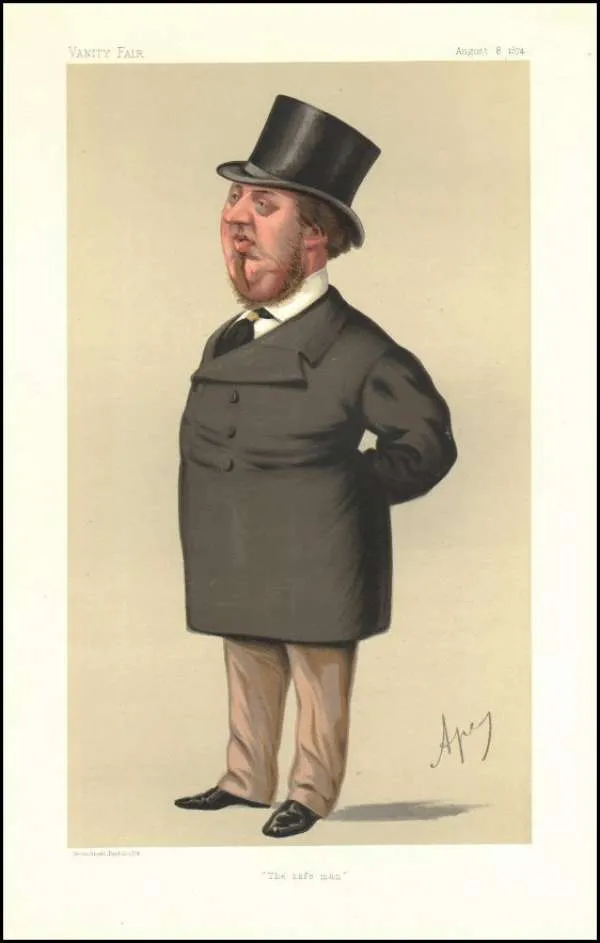
Photo: Carlo Pellegrini, Public domain, via Wikimedia Commons
Walk into any art fair booth in Miami, Chicago, or Los Angeles and you're being sorted. Not rudely, not always consciously — but sorted. Within the time it takes you to cross a fifteen-by-fifteen space, someone behind that bare table has run a rough calculation about who you are, what you can spend, and whether the conversation is worth their afternoon.
Dealers hate admitting this. But talk to enough of them off the record, over bad convention-center coffee, and the picture gets remarkably consistent: the five-minute verdict is real, and it's happening to everyone.
The Silent Spreadsheet
"People think we're judging their outfit," says a gallerist who does the fair circuit between New York and Marfa. "We're not. We're watching where their eyes go."
The tell, according to nearly everyone we spoke with, is the price list — or rather, how you handle it. Casual browsers pick it up, flip through, and put it back. Serious prospects linger. The truly experienced skip it entirely and ask a direct question about a specific piece, which signals they already know how this world works.
Body language does the rest. Collectors who stand at an angle to the work, stepping back to see it properly, read differently from those who drift along the wall like they're at a mall. Dealers notice who photographs a piece (a signal of interest, sometimes an intent to send it to a designer or advisor), who asks about the artist's CV, and who asks the question that makes every dealer's heart sink: "So what's the story behind this one?"
"That's not a bad question," one fair veteran clarifies. "It's just not a buying question."
The Clock Is Shorter Than You Think
Multiple dealers put the decision window at somewhere between ninety seconds and three minutes. That's not because they're shallow — it's arithmetic. A gallerist might speak with two hundred people over a four-day fair. The booth has perhaps forty works. Every minute spent on a tire-kicker is a minute not spent with someone who might close a sale that keeps the gallery's lights on through the slow summer months.
The economics behind that table are brutal. Booth fees at major US fairs run from the low five figures to well past that, before shipping, flights, and hotels. A dealer who misallocates attention doesn't just lose a sale — they can lose the fair.
So the sorting happens fast, and it happens on partial information. Which means it's often wrong.
How the Script Gets Flipped
Here's the good news, and the part the fair industrial complex doesn't advertise: the reading can be reversed. Dealers admit, sometimes sheepishly, that the most memorable collectors they've worked with broke every rule of the choreography.
A few moves that consistently earn respect without spending anything:
- Ask about the artist, not the price. Where they're based, what they're working on next, whether there's a studio practice worth following. Dealers are advocates first, salespeople second, and genuine curiosity about their program lands every time.
- Name what you actually respond to, and why. "The color in this one is doing something the others aren't" beats a vague compliment every time.
- Admit what you don't know. Nobody trusts the person performing expertise. A straightforward "I'm new to this — help me understand the work" gets you the serious conversation the suit-and-sunglasses crowd is still faking.
- Follow up. The single most underused move in collecting. A short email after the fair — even one that doesn't lead to a purchase — puts you in the tiny minority the gallery actually remembers at the next opening.
"Some of my best clients walked in looking like they got lost on the way to parking," one dealer laughs. "You learn quickly that the read is a starting point, not a verdict. The good ones let people surprise them."
What the Verdict Misses
There's a real cost to the ninety-second sort, and it isn't just hurt feelings. Dealers who pre-judge miss the young couple who'll become patrons in five years. They miss the retiree doing quiet, steady acquisitions. They miss the student who'll one day write the catalog essay that makes their artist's career.
And collectors who feel the chill of a quick dismissal tend to spend their money — and their loyalty — elsewhere. The art world runs on relationships that compound over decades, not transactions that close in a booth.
So the next time you're wandering a fair and feel the gaze from behind the table, remember: the assessment runs both ways. A dealer who can't be bothered to give you two honest minutes is telling you something too.
The verdict goes both directions. Bring your own.