Cornfields, Canvas, and a Waiting List: The Rural Residency Boom Nobody Saw Coming
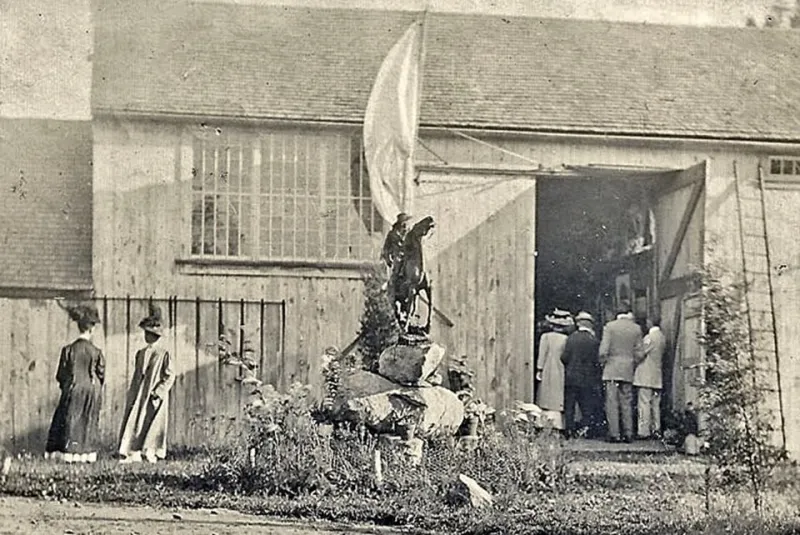
Photo: Unknown authorUnknown author, Public domain, via Wikimedia Commons
The application numbers don't make sense — until you see the light. A residency on a fourth-generation Iowa farm that offers a converted grain barn, a stipend, and absolutely nothing within a twenty-minute drive received more than 900 applications last year. A Vermont dairy operation with space for six painters at a time has a waitlist stretching into 2027.
Somewhere in the last five years, the rural residency went from pastoral cliché to the hottest ticket in American art. The question is why — and what the work coming out of these fields actually looks like.
The Great Studio Exodus
The pandemic started it, the way it started so many things. When cities locked down, painters and photographers with no studio and no shows discovered that a relative's farm, a friend's barn, a borrowed farmhouse in the Dakotas cost nothing and offered something no loft ever had: room. Space to stretch a twelve-foot canvas. Silence long enough to think in.
But the exodus outlasted the emergency, and the reasons are more interesting than rent. Younger artists describe a fatigue with the urban art-world treadmill — the openings, the group chats, the low-grade anxiety of being seen. The farm, says photographer Ellie Marchetti, who spent two seasons at a Vermont residency, "is the only place I've ever been where nobody asks what gallery you're with. The cows could not care less."
That freedom, it turns out, is visible in the work. Curators point to a discernible shift in recent graduate and biennial shows: looser palettes, agricultural rhythms, a new attention to weather, labor, and land use that has nothing to do with the sentimental landscapes of a century ago.
Three Farms Shaping the Look of Now
Hearthstone Fields, eastern Iowa. Founded by a ceramicist and her agronomist husband on 300 working acres of corn and soy, Hearthstone gives artists a grain-barn studio, a bike, and a standing invitation to help with harvest. Alumni describe the residency as part retreat, part education — several have gone on to make labor and food systems the spine of their practice. Its alumni exhibition, held annually in a Des Moines warehouse, has become a scouting stop for Chicago and Kansas City dealers.
Meadowbrook Dairy, southern Vermont. What began as a way to fill an empty creamery after the family stopped bottling milk is now among the most selective residencies in New England. The light is the selling point — painters speak of Vermont's long, soft afternoons the way photographers once spoke of Taos. But the program's real innovation is its pairing: each resident is matched with a farmhand and asked to document a full season. The resulting photographs, exhibited at small museums from Bennington to Brattleboro, form one of the most affecting visual records of American agriculture being made today.
High Plains Atelier, near Wall, South Dakota. The most austere of the three — a single bunkhouse, no cell signal, prairie to the horizon — has developed a cult following among sculptors and land artists. Residents work with what's there: fence wire, wind, bone, rust. Gallery interest was slow at first; it is no longer. Two alumni of the program landed museum acquisitions last year alone.
Pastoral, but With Teeth
It would be easy to read all this as nostalgia — the art world discovering a version of the countryside that exists mostly on tote bags. The artists themselves push back hard on that.
"This isn't cottagecore," Marchetti says. "The farm I photographed was losing money every single month. That's in the pictures. You can't unsee it."
That tension — beauty and precarity, romance and economics — is precisely what distinguishes the new agrarian work from its predecessors. Where earlier generations of American landscape art often smoothed the land into a postcard, today's rural-trained artists tend to leave the struggle in. Debt, drought, development pressure, the loneliness of a shrinking town: it's all fair game, and it's showing up in biennials and emerging-artist surveys from Minneapolis to Marfa.
How to Get In (and What to Know Before You Go)
For artists tempted to apply, veterans offer a few notes:
- Say why the land, specifically. Applications that name a crop, a region, a weather pattern beat generic 'nature' statements every time.
- Pack for labor. Most of these are working farms. Residents who help with chores get invited back; residents who treat the barn as a hotel do not.
- Bring less than you think you need. The constraint is the curriculum.
And for collectors and curators watching from the coasts: pay attention to the small-town alumni shows. They're cheap to attend, the dealers haven't marked anything up yet, and the work coming out of those grain barns is some of the most honest being made in the country right now.
The city taught a generation of artists how to be seen. The farm, it turns out, is teaching them what's worth looking at.