Skip the Coasts: Five Small Museum Shows Quietly Deciding What You'll Collect Next
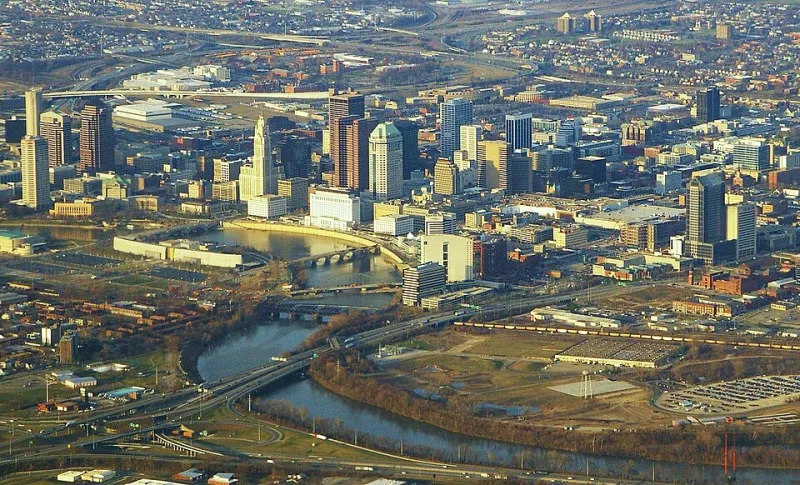
Photo: Ron Reiring, CC BY 2.0, via Wikimedia Commons
There's a pattern in American art that repeats with almost boring regularity. An artist shows first at a small regional museum — the kind with a single gallery attendant and a gift shop the size of a closet. Three years later, the same artist is in a Whitney biennial. Five years later, the work that sold for four figures is suddenly out of reach.
The advantage isn't secret. It's just that most collectors aren't looking. Regional museums take programming risks that big coastal institutions, with their insurance premiums and donor boards, simply can't. And admission rarely breaks twenty dollars.
Here are five current and upcoming shows worth planning a trip around — and the names inside them worth watching.
1. The Fiber Revival, Again — But Younger
Textile-based work has cycled through the mainstream before, but the current wave at mid-sized museums in the Midwest is running younger and rougher than the woven-wall-hanging aesthetic that dominated the last cycle. Look for artists in their late twenties and early thirties combining craft techniques with data, surveillance imagery, and family archives. Several of the artists in these group shows have day jobs as conservators and set designers — which is to say, their technique is real and their prices haven't caught up.
2. The New Landscape Painting (It's Not About Nature)
A cluster of Southern and Southwest museums are staging overlapping surveys of landscape painting that treat the genre as a legal and political document — zoning maps, water rights, wildfire zones. The standout painters here tend to come from architecture and geology backgrounds, and their work reads differently at scale than in a thumbnail. If you want a painting that will still make sense in twenty years, this is the category to study.
3. Portrait Photography From the Interior West
Denver, Boise, and Santa Fe area institutions have been quietly building photography programs focused on communities the coastal market has historically photographed rather than listened to. The emerging photographers in these shows are often shooting their own hometowns, and the work carries a documentary patience that's increasingly rare — and increasingly collectible. Editions are typically small, and regional museum exposure at this stage has historically preceded gallery representation by two to four years.
4. Abstraction With a Day Job
A recurring theme in Pacific Northwest museum programming: abstraction made by artists who are also engineers, nurses, teachers, and machinists. The work is often better for it — disciplined, materially inventive, allergic to art-world jargon. These shows rarely travel, which means the collectors who attend are effectively getting a private preview of artists the biennial circuit will discover later.
5. The Ceramicists Crossing Over
Ceramics has already had its market moment, but the regional museum shows on now are featuring the second wave — artists using clay not as a craft statement but as a sculptural language, often at architectural scale. Mid-sized museums in the Rust Belt and the Carolinas are giving these artists their first wall space and, in several cases, their first acquisition. Museum acquisitions matter: when a small museum buys a work at emerging prices, that institutional validation compounds for decades.
How to Work the Regional Circuit
A few habits that separate first-mover collectors from the rest:
- Read the acquisition lists, not the press releases. A museum's recent purchases tell you what its curators believe in when nobody's watching.
- Talk to the registrar. At a small museum, the person guarding the collection knows exactly which visiting artists generated the most staff buzz. Staff buzz is a genuinely underrated signal.
- Buy the catalog. Regional shows produce modest, often beautiful catalogs that become the documentation trail for works that later triple in value. Fifteen dollars now; the paperwork later.
- Go twice. Visit once for the show, once for the talk. Artist lectures at regional museums are sparsely attended, which means you can actually ask questions — and hear how an artist thinks before you commit.
None of this guarantees anything. Art doesn't work on guarantees. But the arithmetic is hard to argue with: a twenty-dollar ticket and a Saturday afternoon, versus waiting five years and paying the biennial premium. The next decade of taste is already on the walls. It's just hanging somewhere you haven't bothered to fly yet.