No White Gloves Required: Why the Virtual Studio Visit Is the Most Intimate Thing in Art Right Now
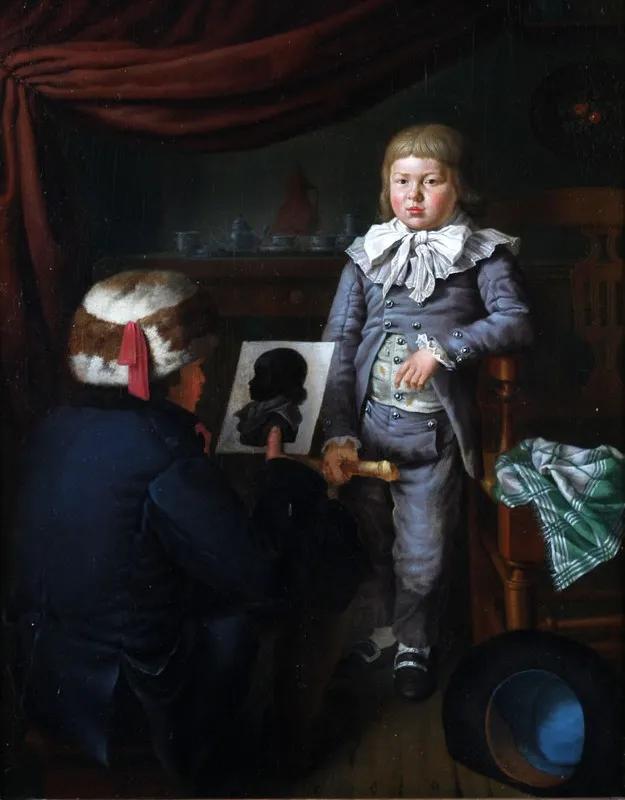
Photo: Jacob Schwartzenbach, Public domain, via Wikimedia Commons
The traditional studio visit has always been a kind of secret handshake. You knew someone who knew someone. You flew to Los Angeles, drove out to a warehouse in Vernon, and hoped the artist was in a good mood. Access was the currency — and most people didn't have any.
Then 2020 happened, and the handshake went wireless.
Five years on, the virtual studio visit hasn't faded the way so many pandemic-era adaptations did. It's calcified into a genuine practice, and in some corners of the American art world, it's become the preferred way in. Artists are livestreaming underglaze tests on Instagram Live. Consultants are running group video tours through painters' workspaces with the same choreography a gallerist once reserved for a blue-chip client. And collectors in Ohio are buying work from artists in New Mexico they've never met in person — but feel like they know.
The Kitchen Table Is the New VIP Room
What's striking about the format is how unpolished it tends to be. The best virtual visits don't hide the mess. Paint-spattered floors, half-finished canvases stacked against radiators, the artist's dog wandering into frame — all of it becomes part of the pitch, whether the artist intends it or not.
That rawness is doing something interesting to the power dynamic. In a gallery, the work is finished, framed, and lit to flatter. On a livestream, you watch a painting fail. You see the artist scrape it back and start over. Collectors who tune in regularly describe a kind of parasocial investment that's hard to replicate in a white cube: they didn't just buy the painting, they watched it be born.
For emerging artists, that intimacy converts directly into sales. A ceramicist in Asheville can spend an afternoon throwing mugs on camera and end the week with a mailing list of four hundred people who feel personally invested in her trajectory. No gallery handshake required.
Trust, Built One Pixel at a Time
The obvious question is whether any of this can survive the screen. Buying art sight-unseen — even art you've watched develop on video — is still a leap of faith. Color shifts on camera. Scale is notoriously deceptive. A canvas that reads as monumental on a phone screen might turn out to be the size of a dinner plate.
Artists and dealers have adapted in creative ways. Some send short detail videos shot in natural light, panning slowly across brushwork. Others ship work on approval, refunding anything that doesn't land in person. A growing number treat the virtual visit as a first date rather than a closing tool: the video call builds the relationship, and the sale happens later, sometimes months later, when the collector finally walks through the physical door.
What's emerged is a two-tier system of trust. The screen builds familiarity; the in-person visit seals it. And for artists outside the coastal gallery corridors, even half of that equation is more access than they've ever had.
Who Gets Let In — and Who's Still Waiting
There's a genuine equity argument here. Studio visits have historically flowed through networks of art school connections, gallery representation, and old-money social circuits. Digitize the visit and you flatten some of that geography. A collector in Atlanta doesn't need a contact in Marfa to see what's happening in a Marfa studio.
But the flattening only goes so far. Artists with better lighting, faster internet, and more camera-friendly personalities still have an edge. And there's a real question about whether constant livestreaming — the performative availability of it — is sustainable, or even healthy, for people whose work requires long stretches of unobserved concentration.
Some artists have drawn firm lines. They'll do scheduled video visits, one collector at a time, mimicking the cadence of the traditional format. Others have gone the opposite direction, opening their process so widely that the studio becomes a kind of ongoing broadcast, with an audience that follows the work the way sports fans follow a season.
The Road Ahead
The healthiest read on all this is that the virtual visit hasn't replaced the real one — it's widened the funnel leading to it. Collectors discover artists on screen, build familiarity over months of posts and calls, and then make the pilgrimage. Galleries are catching on too, pairing in-person shows with digital previews to extend the lifespan of an exhibition far beyond opening night.
For a century, the studio was the most guarded room in the art world. Now it's got a doorbell, and anyone can ring it. The artists thriving in this new reality aren't necessarily the ones with the best work — they're the ones who've figured out how to be generous with their process without giving away the whole picture. That's a skill, and right now, it might be as valuable as the work itself.